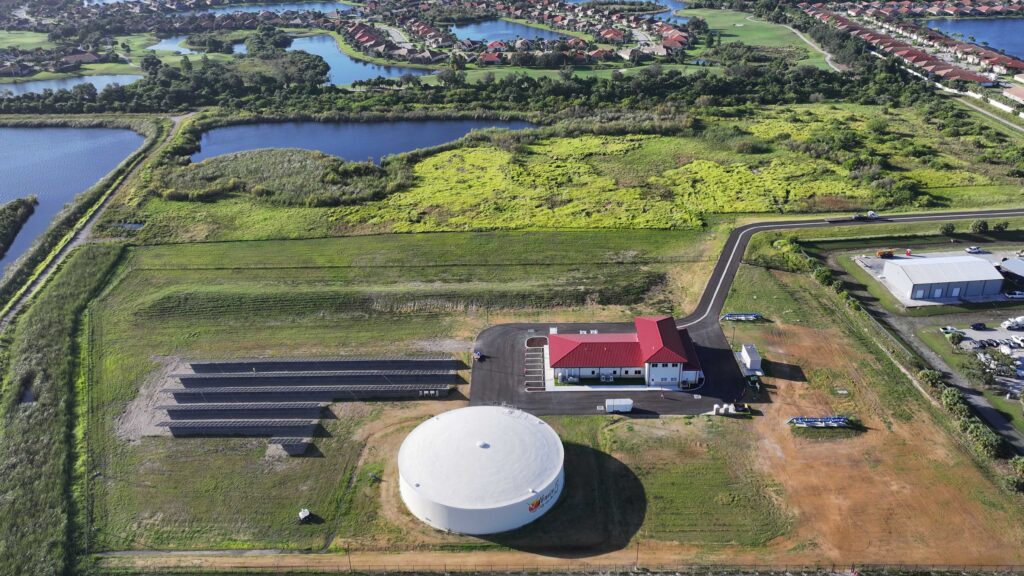
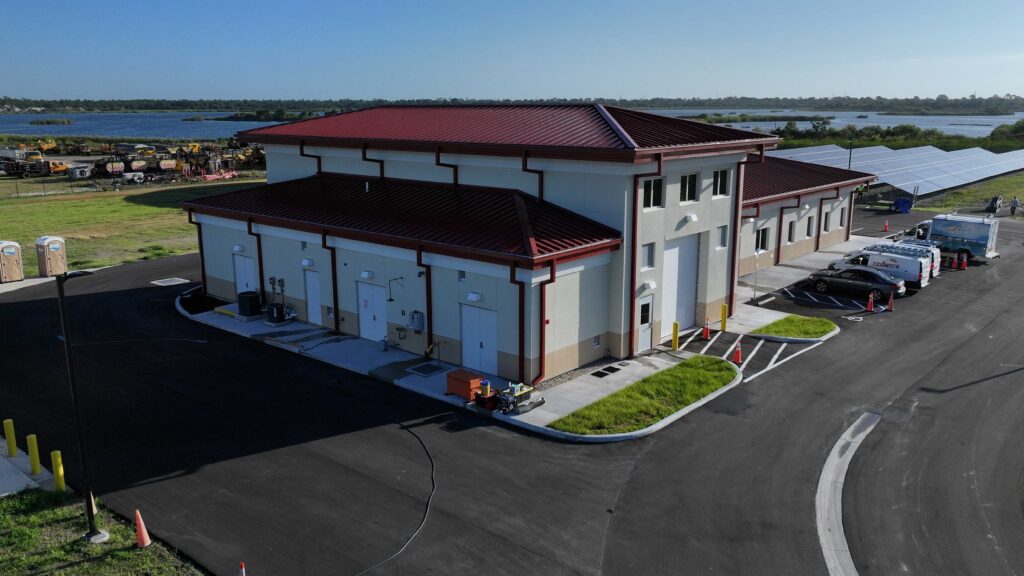
Venice City embarked on a project in 2020 to enhance the quality of potable water service and fire protection in the northeastern part of the city’s service area. This initiative aimed to potentially increase water pressure and flow during peak water demand periods for the entire service area. The project concluded in the Fall of 2025 with the construction of a water booster station on Gene Green Road.
Venice water utility engineers have meticulously optimized system operations citywide, resulting in NE Venice now experiencing pressure levels comparable to the rest of the city. According to Venice Utilities and the Water Booster Station (WBS) pressure sensors, every resident in Venice receives between 51 and 56 psi from 6 a.m. to 1 a.m.
Overnight, from 1 a.m. to 6 a.m., the pressure is reduced to facilitate water storage tank refilling and maintain water quality throughout the system.
Beyond ensuring equitable and consistent water service for residents, the project has also led to an increase in water flow pressure during emergencies, significantly enhancing fire protection in NE Venice.
This improvement has resulted in improved water flow for hydrants in the area, thereby enhancing safety for everyone and providing better protection for the community.
According to the city, the station has significantly stabilized water pressure in the northern part of the city. Before activation, residents north of I-75 experienced daytime pressures ranging from 42 to 46 psi. Since the station came online, consistent readings by City Utilities have been recorded between 48 and 51 psi, with fluctuations limited to just 1 psi throughout the day.
Interestingly, many residents have reported no noticeable increase in water pressure since the WBS went online. According to Venice Utilities, this suggests that the issue may be related to private service lines in a home or internal plumbing.
If your home has water fixtures manufactured after January 1, 1994, they are mandated to be low-flow due to federal and state codes that came into effect around that time. Most high-flow fixtures were phased out by 1998, and if your house or renovations were permitted after 1994, you should have low-flow fixtures throughout. TheEnergy Policy Act of 1992 established these standards. While early low-flow fixture models occasionally had performance issues, designs improved significantly in the subsequent years. By 2007, the EPA WaterSense program further enhanced efficiency standards.
It’s also worth noting that not all low-flow fixtures perform identically. Factors such as age and design quality can significantly impact their performance. Additionally, having a water softener or treatment system can reduce water pressure in your home. It should be correctly sized, high-quality, and well-maintained. Industry experts and manufacturers generally cite a 2 to 5 psi drop as the standard for a residential water softener that is functioning optimally.
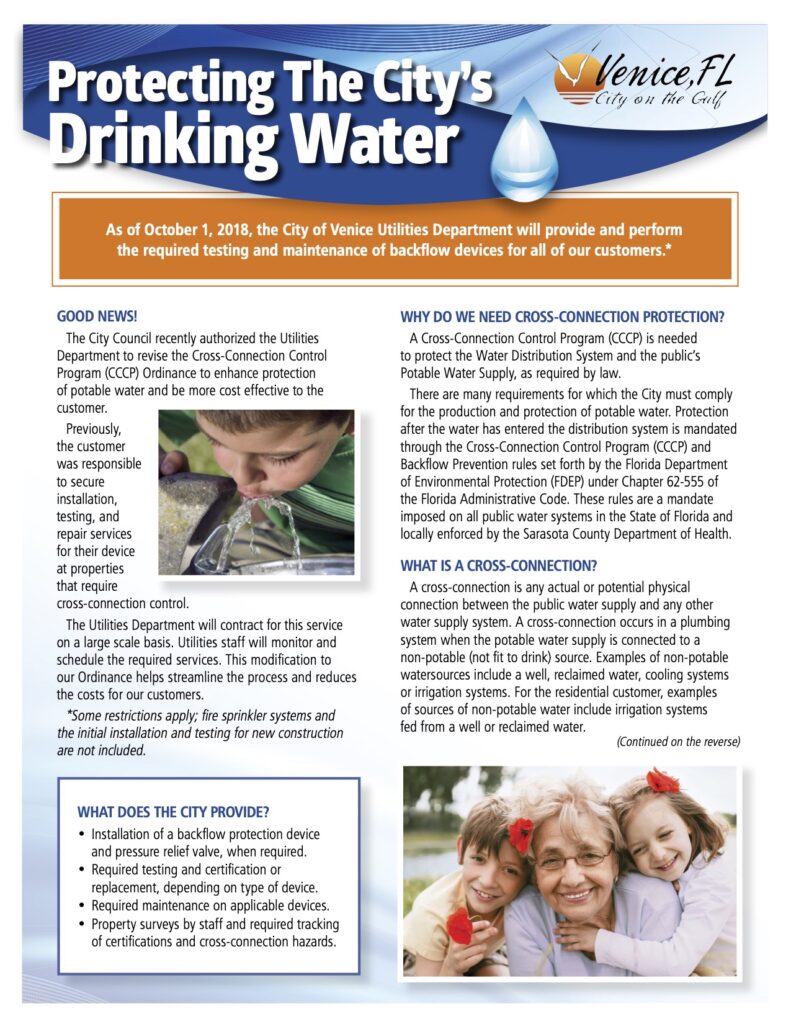
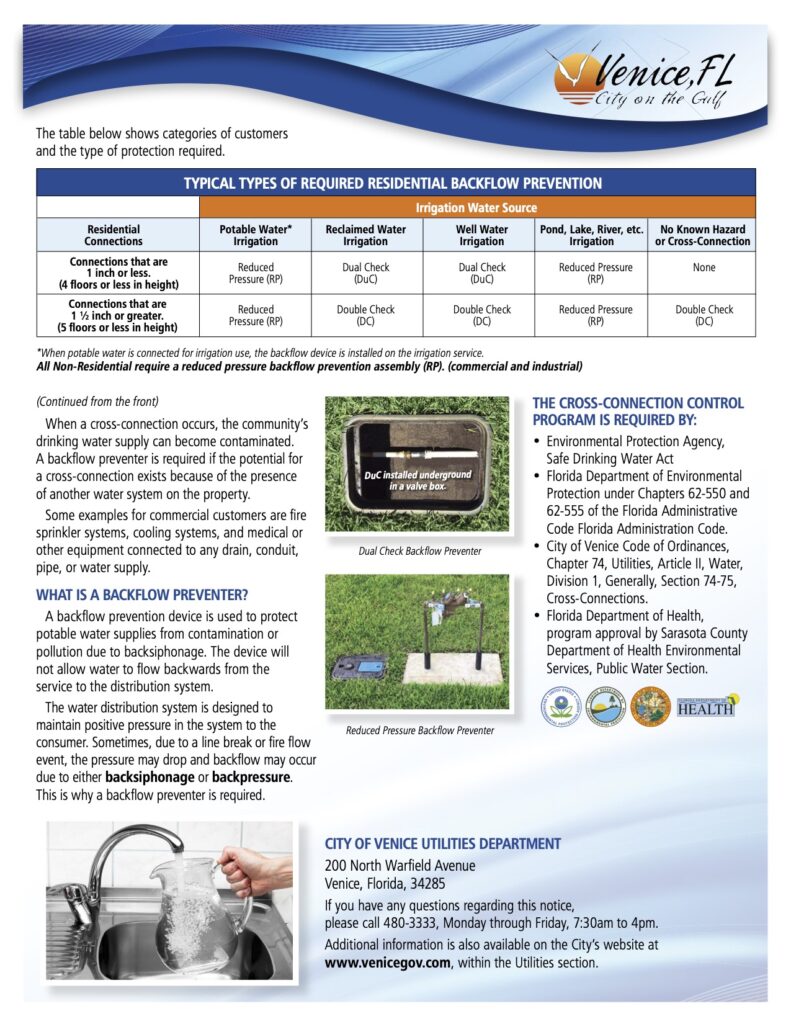
Additionally, “back flow preventers” installed in residents’ water systems prevent contaminated water from flowing backward into the potable water supply. While this system requires periodic maintenance (to remove grit), it is a service provided by the city. If you suspect an issue, especially if you notice noticeable drips from the pipes in your front yard, please contact Venice Utilities at (941) 480-3333.